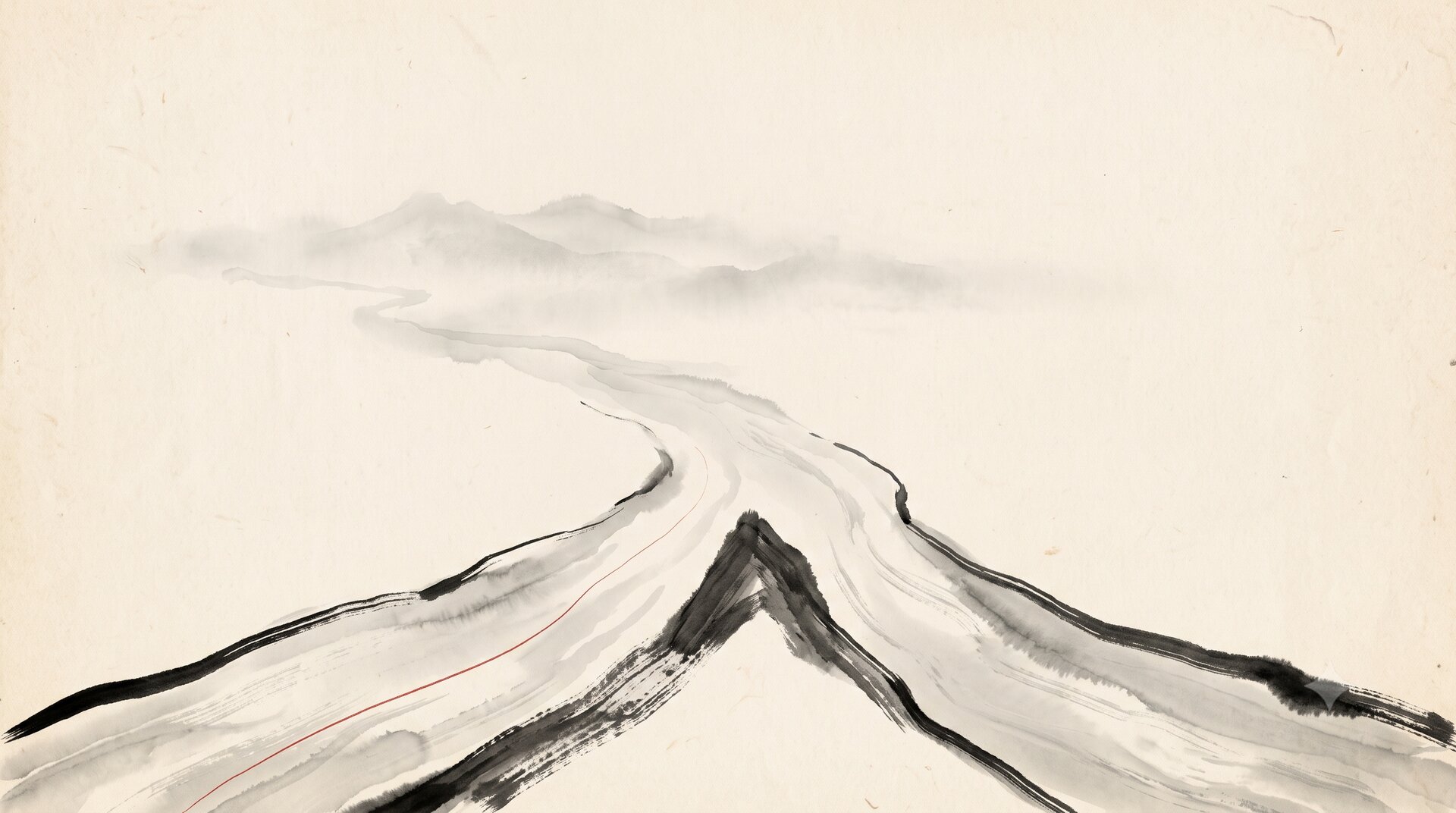
어떤 인물이나 사건 둘레로, 말이 넘친다. 누구는 조롱하고, 누구는 방어하고, 누구는 옳고 그름을 다툰다. 그 위에 또 말이 쌓인다.
Around any public figure or event, words overflow. Some mock, some defend, some argue over who is right — and on top of it all, more words pile up.
말이 넘치는 시대
An Age Awash in Words
홍수는 두 곳에서 솟는다. 감정과 사실 다툼. 조롱과 분노가 말을 낳고, "누가 맞느냐"는 다툼이 또 말을 낳는다. 낳고, 또 낳는다.
The flood rises from two springs: emotion and disputes over fact. Ridicule and anger breed words; the quarrel over "who is right" breeds more. On and on.
이 홍수 속에서 우리는 자주 길을 잃는다. 무엇이 사실이고 무엇이 프레임인지, 판단할 겨를도 없이 다음 물결이 밀려온다.
In this flood we lose our footing. Before we can tell fact from frame, the next wave arrives.
「말의 물길」은 그 홍수를 다스려 보려는 연재다.
The Waterway of Words is a series that tries to channel that flood.
우리는 답을 팔지 않는다
We Don't Sell Answers
세상에는 말을 읽어주는 사람이 많다. 영향력 있는 비평가가 세상을 자기 눈으로 읽어, 그 시선을 나눠준다. 강준만의 『인물과 사상』이 인물을 읽어 시대를 보여주었듯, 좋은 비평은 늘 독자에게 자신의 눈을 빌려주었다.
There is no shortage of people who read the words for us. An influential critic reads the world through their own eyes and lends us that gaze. As Kang Jun-man's Persons and Ideas once read individuals to reveal an era, good criticism has always lent the reader its own eyes.
「말의 물길」은 그 자리를 조금 옮긴다. 우리는 우리 시선을 전시하지 않는다. 화자의 말을 분석하되, 그 결과를 답이 아니라 도구로 건넨다. 화자가 아니라, 듣는 사람을 돕는다.
The Waterway of Words shifts that position slightly. We do not put our own gaze on display. We analyze the speaker's words, but we hand you the result as a tool, not an answer. We help the listener, not the speaker.
두장옌의 물길
The Channels of Dujiangyan
옛 중국의 두장옌은 홍수를 물길로 갈라 다스렸다. 강물을 안팎으로 나누고, 넘치는 모래를 쳐내고, 바닥의 기준을 재고, 걸러진 물만 들판으로 보냈다.
The ancient Dujiangyan works in China tamed floods by splitting them into channels — dividing the river inner and outer, casting off excess sediment, gauging the depth against a fixed marker, and sending only the filtered water to the fields.
우리도 그 순서를 따른다.
We follow the same order.
- 한 인물, 혹은 한 기관의 최근 발언을 편다 — 누구나 볼 수 있는 영상에서, 그가 실제로 한 말을.
- 감정과 사실 다툼의 모래는 흘려보낸다.
- 그 아래 남는 것 — 말이 어떻게 지어졌는가 — 을 본다.
- 그리고 걸러진 물을 당신의 밭에 댄다.
- We lay out a figure's — or an institution's — recent remarks: what they actually said, in videos anyone can watch.
- We let the sediment of emotion and factual dispute wash away.
- We look at what remains beneath: how the words were built.
- And we bring the filtered water to your field.
각 편은 이 네 단계를 소제목이 아니라 하나의 흐름으로 따라간다.
Each piece follows these four stages not as headings but as a single current.
우리가 내보내는 건 판정이 아니다. 누가 옳은지, 그 말이 예언인지 협박인지 — 그 씨앗은 우리 것이 아니라 읽는 당신의 밭에 있다. 우리는 물만 댄다. 무엇이 자랄지는 당신이 정한다.
What we send out is not a verdict. Who is right, whether a remark is prophecy or threat — that seed is not ours but lies in your field. We bring only the water. What grows is yours to decide.
팀을 가리지 않는다, 뭉개지도 않는다
We Take No Side, and We Flatten Nothing
이건 양비론이 아니다. "둘 다 시끄럽다"고 뭉개는 것은 홍수를 한 번 더 흐릴 뿐이다. 능동적 중립은 어느 쪽 함성도 사지 않는 것이지, 모두를 같다고 뭉개는 것이 아니다.
This is not both-sidesism. To shrug that "they're all just noise" only muddies the flood again. Active neutrality means buying neither side's roar — not flattening everyone into the same.
우리는 팩트체크를 하지 않는다. 화자가 그 말을 했는지는 원본으로 엄정하게 확인한다. 그러나 그 말의 내용이 옳은지는 판정하지 않는다. 같은 사실도 맥락에 따라 다르게 읽히고, 그 다툼은 끝나지 않기 때문이다. 우리는 표면의 진위 대신, 그 아래 흐르는 맥락을 읽는다.
We do not fact-check. Whether the speaker said it, we verify strictly against the source. But whether what they said is true, we do not judge. The same fact reads differently by context, and that quarrel never ends. Instead of the surface truth-claim, we read the context flowing beneath it.
첫 세 편
The First Three
시작은 세 편이다. 우리가 팀을 가리지 않는다는 것을, 대상 자체가 말해 준다.
We begin with three. That we take no side is told by the subjects themselves.
여당의 비판자, 야당의 대표, 그리고 정부 자신. 셋을 같은 물길로 거른다. 각 편이 무엇을 길어낼지는, 읽어보시면 안다.
A critic within the ruling camp, an opposition leader, and the government itself. We filter all three through the same channel. What each piece draws up, you'll see when you read it.
물길을 열며
Opening the Channel
말이 넘치는 시대에, 한 편의 글이 또 하나의 말이 되지 않기란 어렵다. 그래서 우리는 답을 더하는 대신, 거르는 손을 하나 건네려 한다.
In an age awash in words, it is hard for one more piece of writing not to become one more word. So instead of adding an answer, we offer a hand that filters.
잠시 호흡을 멈추고 지적 교만을 내려놓으면, 홍수 아래 물길이 보인다.
Pause your breath for a moment and set down intellectual pride, and beneath the flood, the channel appears.
삽화 1점은 AI 이미지 생성 도구로 제작했으며, 실제 장면을 촬영한 사진이 아니다.
The illustration was made with an AI image-generation tool; it is not a photograph of a real scene.