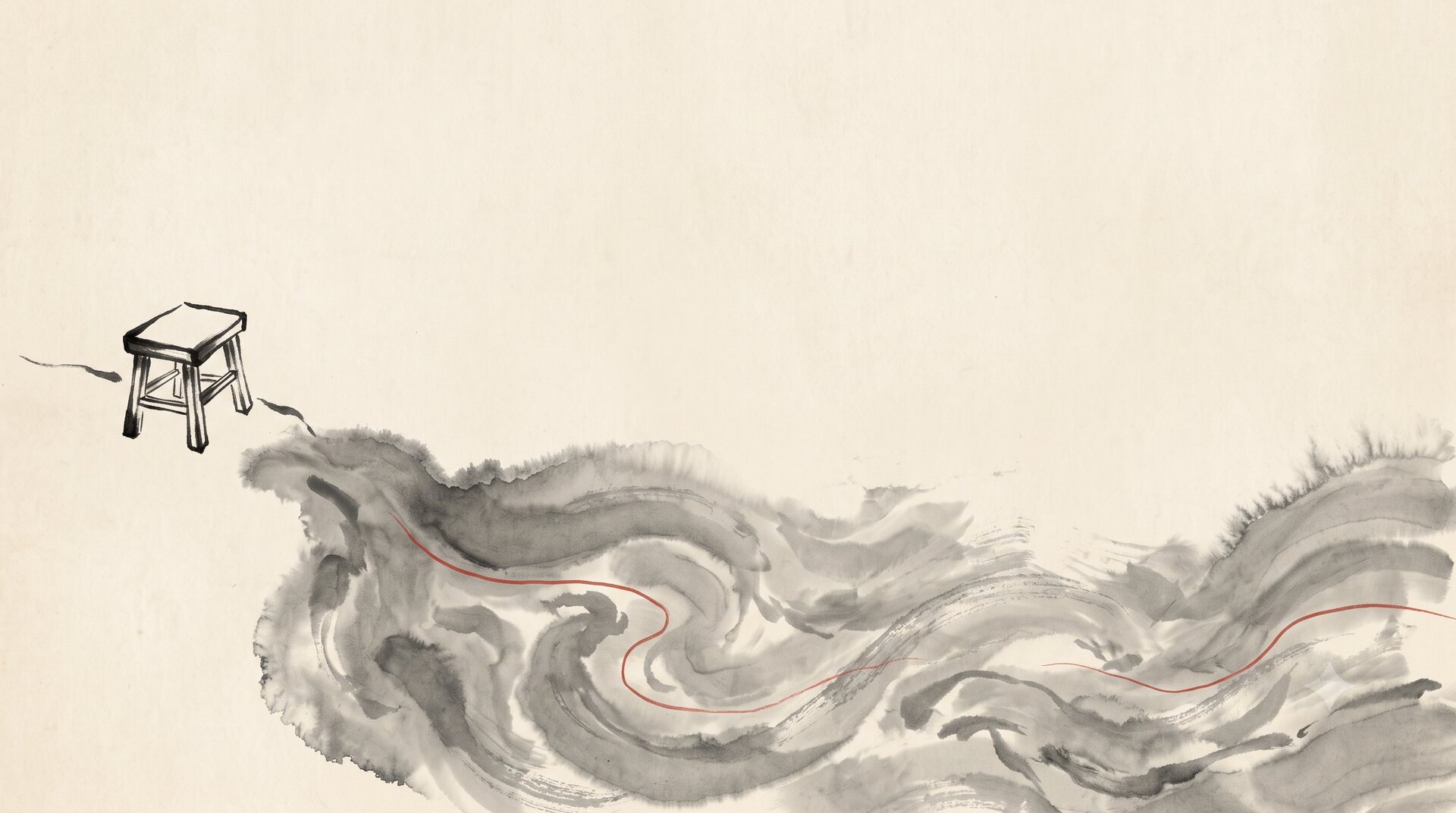
「말의 물길」은 말의 홍수 속 한 인물을 고른다. 누구나 볼 수 있는 최근 영상에서 그가 실제로 한 말을 펼치고, 두장옌의 틀로 홍수를 거른다. 우리가 건네는 건 판정이 아니라, 읽는 사람의 씨앗을 키울 물이다.
The Waterway of Words picks one figure from the flood. From recent, publicly viewable videos it lays out what they actually said, and filters the flood through the frame of Dujiangyan. What we hand over is not a verdict, but water to grow the reader's own seed.
유시민을 둘러싼 홍수
The Flood Around Yoo Si-min
한 사람 둘레로 말이 넘친다. 유시민을 두고 누구는 조롱하고, 누구는 방어하고, 누구는 "협박이다", 누구는 "예언이다" 한다. 여론조사까지 그의 말을 묻는다. 홍수는 두 곳에서 솟는다 — 감정과 사실 다툼. 조롱과 분노가 말을 낳고, "누가 옳은가"가 또 말을 낳는다.
Around one person, words overflow. About Yoo Si-min, some mock, some defend, some cry "threat," some "prophecy." Even pollsters ask about his words. The flood rises from two springs — emotion and disputes over fact. Ridicule and anger breed words; "who is right" breeds more.
여기서 우리가 "그건 예언이다" 혹은 "협박이다"라고 한마디 보태면, 홍수가 한 뼘 더 불어날 뿐이다. 그래서 그 한마디를 하지 않는다.
If we add our own "it's a prophecy" or "it's a threat," the flood only rises another inch. So we don't add that word.
홍수를 이루는 말의 대부분은 영향력 있는 화자가 자기 시선을 나눠주는 일이다. 유시민도 그런 비평가다 — 세상을 자기 눈으로 읽어 건넨다. 그건 그의 몫이다. 우리 몫은 다르다. 화자의 시선을 맑은 물로 걸러, 읽는 사람의 밭에 대는 것. 판단이라는 씨앗은 그의 것이고, 우리는 물만 댄다. 화자가 아니라 청자를 돕는다.
Most of the flood is influential speakers lending us their own gaze. Yoo is such a critic — he reads the world through his own eyes and hands it over. That is his to do. Ours is different: we filter the speaker's gaze into clear water and bring it to the reader's field. The seed — judgment — is theirs; we bring only the water. We help the listener, not the speaker.
먼저 짚어 둔다. 이건 양비론이 아니다. "둘 다 시끄럽다"는 말은 홍수를 한 번 더 흐릴 뿐이다. 능동적 중립은 어느 함성도 사지 않는 것이지, 모두를 같다고 뭉개는 것이 아니다. 뭉개지 않는다. 거른다.
One thing first: this is not both-sidesism. To say "they're all just noise" only muddies the flood again. Active neutrality means buying neither side's roar — not flattening everyone into the same. We don't flatten. We filter.
그러려면 원재료부터 봐야 한다. 유시민이 실제로 무슨 말을 했는지.
For that, we must start from the raw material — what Yoo actually said.
넉 달, 세 번의 마이크
Four Months, Three Turns at the Mic
넉 달 사이 유시민은 세 번 마이크 앞에 앉았다. 세 방송 다 누구나 유튜브에서 볼 수 있다. 각 방송에서 그가 한 말을, 그의 표현 그대로 옮긴다. 해석은 그다음이다.
Over four months Yoo sat before the mic three times. All three are on YouTube for anyone to watch. We transcribe what he said in each, in his own words. Interpretation comes after.
① 3월 18일 · 매불쇼. 그는 정치를 침팬지 행동학으로 읽었다. 폭군형 알파메일 "고블린"(윤석열)과 약자를 돌보는 "아모스"(이재명). 그리고 사람을 A(가치)·B(이익·생존)·C(교집합)로 나눴다. 인기 있는 권력자 둘레엔 B가 커지고, 이들이 코어 지지층 A를 흔든다. "좋고 나쁨이 아니라 자연의 섭리이자 기본값이니, 너무 스트레스받지 말라."
① March 18 · Maebulshow. He read politics through chimpanzee ethology — a tyrant alpha "goblin" (Yoon Suk-yeol) and a weak-protecting "Amos" (Lee Jae-myung). He sorted people into A (values), B (interest·survival), and C (overlap). Around a popular ruler, B grows and shakes the core base A. "It's not good or bad — it's the way of nature, the default; don't stress too much."
② 6월 26일 · 다스뵈이다 400회. 그는 지지율 하락을 "자가면역질환"으로 진단했다 — 면역세포가 정상세포를 공격한다는 것. 그리고 건축을 빌려왔다. 지지자가 원한 건 "증축"인데 대통령은 "재건축"을 하려 한다, 재건축엔 "철거 전문 용역 평론가"가 필요하다. "동기에는 아무 문제가 없다"면서도, "이 자가면역질환을 씻어낼 수 있는 사람은 대통령밖에 없다"고 했다. 자신은 대통령의 "꽤 괜찮은 지지자"라고 덧붙였다.
② June 26 · Dasbaeida ep. 400. He diagnosed the falling approval as an "autoimmune disease" — immune cells attacking healthy ones. Then he borrowed architecture: supporters wanted an "extension," but the president means to "rebuild," and rebuilding needs "demolition-specialist hired critics." "There's nothing wrong with the motive," he said, yet "only the president can wash out this autoimmune disease." He added that he is a "fairly decent supporter" of the president.
③ 7월 15일 · 매불쇼. 그는 검찰개혁 지연을 대통령의 뜻으로 돌렸다. 그리고 "마키아벨리" 군주론에 비유했다 — 욕먹을 일은 밑에 시키고 인기는 내가 얻는다. 재건축 구상을 다시 짚으며 "필연적인 실패의 길"이라 했다. 단 "잘못된 길이라는 게 아니라 실패할 길"이라 선을 그었다. 그러면서 밀의 『자유론』을 들며 "내 생각이 틀렸으면 좋겠다, 나는 망해도 괜찮다"고 했다.
③ July 15 · Maebulshow. He laid the delayed prosecution reform at the president's door. He likened it to Machiavelli's Prince — hand the blame down, keep the credit up. Revisiting the rebuild, he called it "a path of inevitable failure." Yet he drew a line: "not that it's a wrong path, but that it will fail." Then, citing Mill's On Liberty, he said "I hope I'm wrong; I'm fine even if I go down."
여기까지가 사실이다. 이제 두장옌의 물길처럼 거른다 — 들일 것을 가르고, 모래를 쳐내고, 바닥을 보고, 밭으로 보낸다.
That much is fact. Now we filter, as Dujiangyan's channels do — sort what to admit, cast off the sediment, read the bed, and send it to the field.
매번 다른 학문을 빌려온다
Each Time, a Borrowed Discipline
이제 무엇을 안에 들이고 무엇을 흘려보낼지 가른다. 세 방송을 나란히 놓으면, 반복되는 게 하나 보인다. 매번 다른 영역에서 틀을 빌려 온다는 것이다 — 영장류학, 병리학, 건축, 정치철학. 우리는 이 반복 하나만 안쪽에 들인다. 나머지는 바깥으로 흘려보낸다.
Now we sort what to admit from what to let flow past. Set the three broadcasts side by side, and one thing recurs. Each time, he borrows a frame from another field — primatology, pathology, architecture, political philosophy. We admit only this one recurrence. The rest we let flow out.
감정과 사실 다툼을 흘려보낸다
Letting Emotion and Dispute Flow Past
물을 쓰기 전에 모래부터 쳐낸다. 홍수의 모래는 둘이다.
Before we use the water, we cast off the sediment. The flood's sediment is twofold.
하나는 감정이다. "협박이다", "저주다", "힐링됐다" — 이건 말의 온도지, 밭을 적실 물이 아니다. 밖으로.
One is emotion — "threat," "curse," "that was healing." That is the temperature of the words, not water for the field. Out it goes.
다른 하나는 사실 다툼이다. "검찰개혁이 정말 1년 지체됐나", "대통령이 정말 재건축 중인가". 실제로 반론이 있고, 아마 계속 있을 것이다. 따질 값어치는 있지만, 밭에 댈 물은 아니다. 밖으로.
The other is factual dispute — "was reform really delayed a year?" "is the president really rebuilding?" There are counterarguments, and there will keep being. Worth arguing, but not water for the field. Out.
"예언인가 협박인가"라는 질문도 사실 이 모래에서 나왔다. 감정이 "협박"이라 부르고, 유시민이 "예언"이라 받는다. 질문 자체가 홍수의 산물이다.
Even the question "prophecy or threat?" came from this sediment: emotion calls it "threat," Yoo receives it as "prophecy." The question itself is a product of the flood.
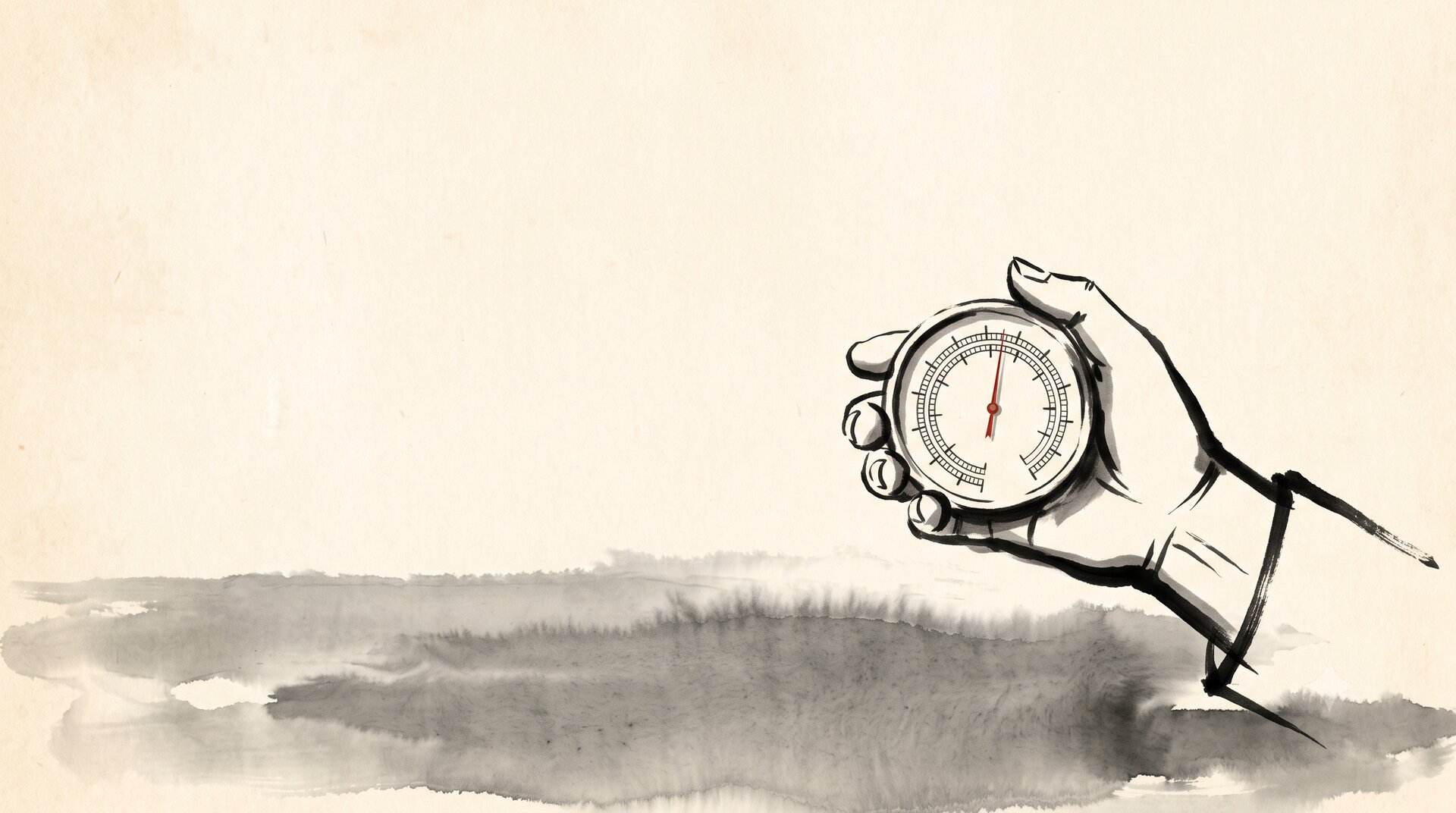
남는 건 '관찰석'이라는 자리
What Remains: the Observer's Seat
모래를 다 흘려보낸 뒤에도 남는 바닥이 있다. 그 바닥에 유시민의 말이 드러내는 것은 하나다.
A bed remains even after all the sediment is gone. On that bed, Yoo's words reveal one thing.
빌린 틀은 그를 늘 관찰석에 앉힌다. 행동학자, 진단의, 건축 비평가, 밀을 인용하는 시민. 그는 명시한다 — "저는 언어를 봐요." 싸우는 자가 아니라 읽는 자의 자리다.
The borrowed frame always seats him as observer. Ethologist, diagnostician, architecture critic, a citizen quoting Mill. He says it plainly — "I look at language." Not the seat of a fighter, but of a reader.
그리고 부인구가 그 자리를 계속 닦는다. "좋고 나쁨이 아니고", "자연의 섭리", "잘못된 길이라 안 할게요, 실패할 뿐", "내 생각이 틀렸으면 좋겠다".
And disclaimers keep polishing that seat: "not good or bad," "the way of nature," "I won't call it wrong, only that it fails," "I hope I'm wrong."
이 바닥에서 "필연적 실패"가 나온다. 관찰석에 앉아 부인구로 닦아낸 문장이다. 그래서 화자의 입에서는 예보의 문법으로 나간다 — 비를 바라는 게 아니라 기압골을 읽을 뿐이라고.
From this bed, "inevitable failure" emerges. It is a sentence spoken from the observer's seat and buffed by disclaimers. So it leaves his mouth in the grammar of a forecast — not wishing for rain, only reading the pressure trough.
예언과 협박을 가르는 건 자리다
The Seat Decides Prophecy or Threat
이제 걸러진 물만 밭으로 보낸다. 홍수에서 거른 그 물은 농업용수다 — 씨앗을 키우는 데 꼭 필요한 물.
Now only the filtered water goes to the field. The water drawn from the flood is irrigation water — exactly what a seed needs to grow.
이 글도 판정을 심어주지 않는다. 정계개편이 예언인지 협박인지, 유시민을 어떻게 볼지. 그 씨앗은 우리 것이 아니라 읽는 당신의 밭에 있다. 우리는 물만 댄다.
This piece plants no verdict either. Is the realignment prophecy or threat? How should we see Yoo? That seed is not ours but lies in your field. We bring only the water.
물은 이것이다. 빌린 틀이 화자를 관찰석에 앉히면, "당신은 실패할 것이다"는 예보의 문법을 입는다. 그래서 같은 문장이 화자에겐 예언이고, 겨눠진 이에겐 협박이 된다 — 문장이 아니라 자리가 정한다. 이 물이 밭에 닿으면, "예언인가 협박인가"라는 물음이 당신 안에서 스스로 판단으로 자란다.
The water is this: when a borrowed frame seats the speaker as observer, "you will fail" takes on the grammar of a forecast. So the same sentence is prophecy to the speaker and threat to the one it targets — the seat decides, not the sentence. When this water reaches your field, the question "prophecy or threat?" grows into your own judgment.
같은 물은 다음 밭에도 흐른다. 누군가 침팬지든 자가면역이든 건축이든, 다른 영역의 언어를 빌려 정치를 설명하거든, 그 틀이 화자를 어디 앉히는지 대보라. 물은 든 사람 쪽으로도 흐른다 — 이 글에게도. 우리도 방금 한 사람의 말을 같은 바닥에 놓고 걸렀으니까.
The same water flows to the next field. When someone explains politics by borrowing a language from elsewhere — chimpanzees, autoimmunity, architecture — hold it up: where does the frame seat the speaker? The water flows toward the one holding it, too — toward this very piece. We just laid one person's words on the same bed and filtered them.
정직하게 덧붙인다. 이렇게 맑은 물로 보면, 유시민의 말은 홍수가 외치는 "저주"보다 신중한 구조로 드러날 수 있다. 변명처럼 보일지 모르나, 우리는 변호도 기소도 하지 않는다. 같은 물을 그를 공격하는 홍수에 대도 밭은 자란다. 거기선 감정과 사실 다툼으로 말을 불리는 자리가 드러난다. 두 밭은 같지 않고, 우리는 뭉개지 않는다. 물을 댈 뿐, 무엇이 자랄지는 밭이 정한다.
Honestly: seen through this clear water, Yoo's words may reveal a more careful structure than the flood's cry of "curse." It may look like a defense, but we neither defend nor prosecute. Hold the same water to the flood attacking him, and that field grows too. There, a seat that swells words with emotion and factual dispute shows. The two fields are not the same, and we do not flatten them. We only bring the water; what grows, the field decides.
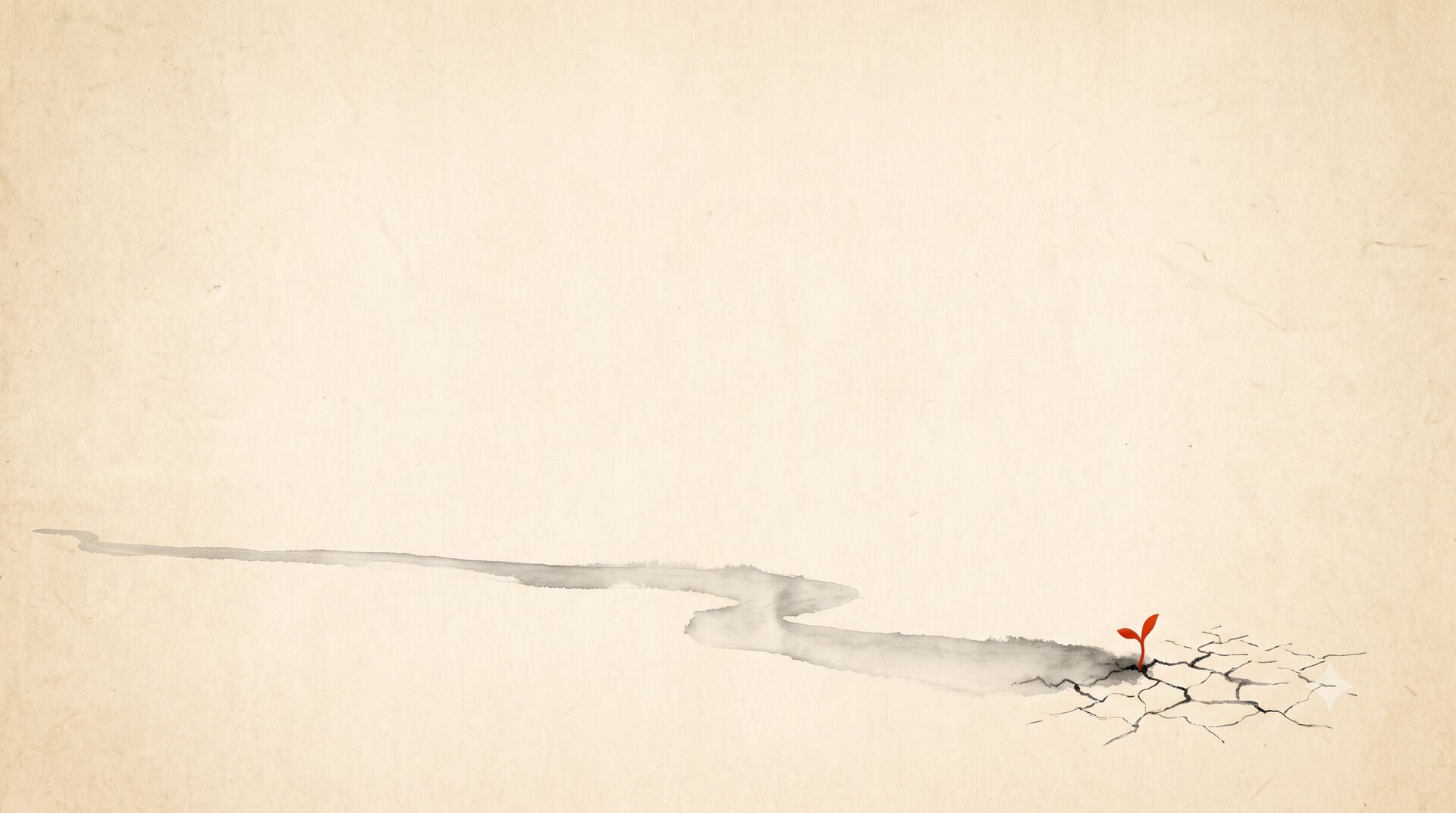
다음에 누군가 다른 영역의 언어로 정치를 풀거든 — 침팬지든, 자가면역이든, 건축이든 — 스스로 물어보라. 저 빌린 틀은 말하는 이를 어느 자리에 앉히는가? 그 자리는 내 판단을 어느 쪽으로 기울이는가?
Next time someone explains politics by borrowing a language from elsewhere — chimpanzees, autoimmunity, architecture — ask yourself: where does the borrowed frame seat the speaker, and which way does that seat tilt my judgment?
잠시 호흡을 멈추고 지적 교만을 내려놓으면, 마른 밭에 물이 닿는다.
Pause your breath for a moment and set down intellectual pride, and water reaches the dry field.
본문 삽화 3점은 AI 이미지 생성 도구로 제작했으며, 실제 장면을 촬영한 사진이 아니다.
The three illustrations were made with an AI image-generation tool; they are not photographs of real scenes.