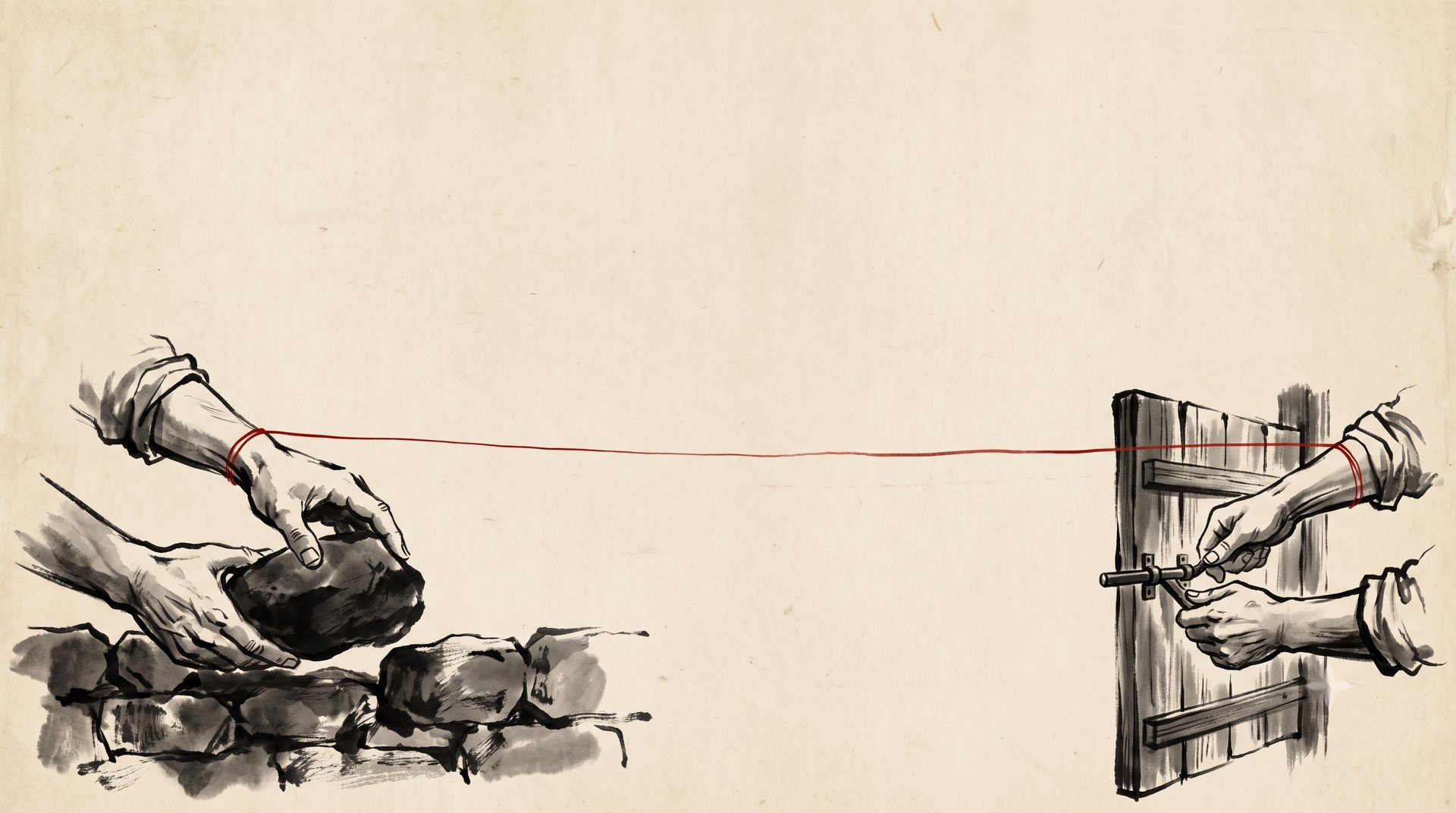
2026년 7월, 한국이라는 나라가 같은 달에 서로 반대 방향으로 손을 뻗었다. 한 손은 담을 높였다. 국내 투기 시장에. 다른 손은 문을 열었다. 통화에.
In July 2026, within a single month, Korea reached out with two hands in opposite directions. One hand raised a wall — around domestic speculation. The other opened a gate — to its currency.
7월 16일, 금융당국은 단일종목 레버리지 ETF의 신규 상장을 멈췄다. 최소 예탁금을 1천만 원에서 3천만 원으로 올렸다. 사전교육도 강화했다. 국내로 몰린 돈을 눌러 앉히는 조치였다.
On July 16, regulators halted new single-stock leveraged ETFs, raised the minimum deposit from 10 to 30 million won, and tightened investor training. It was a move to hold down money that had rushed into the domestic market.
사흘 뒤인 7월 19일 일요일, 기획재정부와 한국은행과 금융당국은 반대되는 로드맵을 함께 내놨다. 외국인이 원화를 해외에서 자유롭게 거래하게 만드는 계획이었다. 밖으로 나가는 문을 넓히는 조치였다.
Three days later, on Sunday July 19, the finance ministry, central bank and regulators unveiled the opposite: a roadmap to let foreigners trade the won freely offshore. A move to widen the door out.
두 손은 같은 몸에서 나왔다. 방향만 정반대였다.
Both hands came from the same body. Only the directions were reversed.
담: 도박판이 만들어진 자리
The Wall: Where the Casino Formed
레버리지 ETF는 5월에 나왔다. 삼성전자와 SK하이닉스의 하루 수익률을 두 배로 따라가는 상품이었다. 한국 증시가 뜨거워지던 시점이었다.
Single-stock leveraged ETFs launched in May. They tracked twice the daily return of Samsung Electronics and SK Hynix, arriving just as Korean equities were running hot.
돈이 여기로 쏠렸다. 레버리지 ETF 16종목의 시가총액은 5월 말 4조 4천억 원이었다. 7월 15일엔 11조 9천억 원으로 불었다. 같은 날, 삼성전자와 SK하이닉스가 코스피 시가총액에서 차지하는 비중은 52%까지 올랐다. 작년 말엔 34%였다. 시장이 두 종목과 그 두 배짜리 그림자 위에서 돌아갔다.
Money poured in. The combined market value of the 16 leveraged ETFs swelled from 4.4 trillion won in late May to 11.9 trillion by July 15. On the same day, Samsung and SK Hynix together made up 52% of the Kospi's market capitalization — up from 34% at the end of last year. The market turned on two stocks and their double-leveraged shadow.
코스피는 올해 처음으로 5,000을 넘었다. "코스피 5000"은 대통령의 공약이자 브랜드였다. 그 공약을 향해 정부는 상법을 세 번 고쳤다. 이사에게 주주 충실의무를 지우고(2025년 7월), 집중투표제를 의무화하고(8월), 신규 자사주를 1년 안에 소각하도록 강제했다(2026년 2월 통과, 3월 시행). 지배구조 할인을 걷어내는 개편이었다. 여기에 AI 반도체 슈퍼사이클이 겹쳤고, 외국인 자본이 돌아왔다. 상승에는 실체가 있었다.
The Kospi crossed 5,000 for the first time this year. "Kospi 5000" had been the president's campaign pledge and brand. To pursue that pledge, the government amended the commercial code three times: a director's duty of loyalty to shareholders (July 2025), mandatory cumulative voting (August), and the forced cancellation of newly acquired treasury shares within a year (passed February 2026, effective March). Reforms that stripped away the governance discount. On top came the AI-semiconductor supercycle, and foreign capital returned. The rise had substance.
6월엔 사상 처음 9,000을 넘겼다. 19일 장중 9,385로 최고를 찍었다. 그리고 무너졌다. 7월 20일 종가는 6,516이었다. 종가 고점에서 28%, 장중 최고에서 31% 빠진 값이다. 시가총액은 7,413조 원에서 5,337조 원으로 줄었다. 두 달이 안 돼 2천조 원 넘게 사라졌다.
In June it passed 9,000 for the first time, touching an all-time intraday high of 9,385 on the 19th. Then it broke. The July 20 close was 6,516 — down 28% from the record close, 31% from the intraday peak. Market cap fell from 7,413 trillion won to 5,337 trillion. More than 2,000 trillion won vanished in under two months.
방아쇠는 밖에서 당겨졌다. 7월 17일, 중국 스타트업 문샷의 Kimi K3가 나왔다. 파라미터 2.8조. Fable 5와 GPT-5.6을 빼면 모든 경쟁 모델을 앞선다고 했다. 값은 훨씬 쌌다. 세계 반도체 주식이 흔들렸다. 작년 딥시크 충격의 재연이라는 말이 돌았다.
The trigger was pulled from outside. On July 17, Chinese startup Moonshot released Kimi K3 — 2.8 trillion parameters, said to outperform every rival except Fable 5 and GPT-5.6, and far cheaper. Global chip stocks shook. Talk of a replay of last year's DeepSeek shock spread.
한국 시장은 이 흔들림을 그대로 받았다. 아니, 증폭해서 받았다. 레버리지가 두 배로 튕겨냈기 때문이다.
Korea took the tremor directly. Worse — it amplified it, because the leverage bounced it back at double.
그러자 시장을 부르는 이름이 바뀌었다. "프리미엄 투자처"가 "카지노"가 됐다. 여당도 야당도 문제를 제기했다. 개입을 요구하는 청원에 3만 5천 명 넘게 서명했다. 4월에 67%였던 대통령 지지율은 52%로 내려앉았다.
Then the name of the market changed. "Premier investment destination" became "casino." Both ruling and opposition parties raised questions. A petition demanding intervention drew more than 35,000 signatures. The president's approval, 67% in April, sank to 52%.
6월, 우리는 「추출 기계」에서 금융감독원장의 회한을 적었다. 신고서가 수리된 뒤엔 막을 길이 없었다는, "드러누워서라도 막았어야 했다"는 후회였다. 그 브레이크가 7월 16일 내려왔다.
In June, in 'The Extraction Machine,' we recorded the FSS governor's remorse — that once the filing had been accepted there was no way to stop it, that he "should have lain down in front of it." That brake came down on July 16.
문: 통화에 뚫은 길
The Gate: A Road Cut Into the Currency
같은 주 일요일, 정부는 반대편 문을 열었다.
On the same Sunday, the government opened the other side.
이름은 '원화 국제화 로드맵'이다. 핵심은 역외 원화 거래의 자유화다. 외국인은 재경부에 등록된 해외 금융사를 통해 원화를 거래할 수 있다. 한국에 원화 계좌를 열 필요가 없어진다. 본인 명의 계좌로 예금·대출·송금·결제를 한다. 한국은행에는 24시간 역외원화결제망이 새로 깔린다. 8월에 규정을 고치고, 9월에 시범 운영, 2027년에 정식 시행한다.
Its name is the "Won Internationalization Roadmap." The core is liberalizing offshore won trading. Foreigners will trade the won through offshore firms registered with the finance ministry, without opening a Korean account — depositing, lending, remitting and settling through accounts in their own names. The Bank of Korea will build a 24-hour offshore won settlement network. Rules change in August, a pilot runs in September, full operation in 2027.
이건 오래된 담을 허무는 일이다. 한국은 1997년과 2008년 두 번의 위기를 겪으며 통화를 단단히 틀어쥐었다. 자본 통제가 안전의 다른 이름이었다. 이번 로드맵은 그 기조와의 가장 뚜렷한 단절이다.
This tears down an old wall. Korea gripped its currency tightly through two crises, in 1997 and 2008. Capital control was another word for safety. This roadmap is the sharpest break yet from that stance.
목표도 분명하다. 완전 태환에 가까워지는 것. MSCI 선진시장 지수 편입이다. 외환 거래 규제는 그동안 한국이 선진시장으로 못 올라간 이유로 꼽혀 왔다. 그 걸림돌을 치우겠다는 것이다.
The goal is clear: move toward full convertibility, and MSCI developed-market status. Foreign-exchange restrictions have long been cited as the reason Korea couldn't graduate. The roadmap sets out to remove that obstacle.
로드맵엔 원화 표시 스테이블코인의 발행 근거를 마련하는 항목도 들어 있다. 통화를 여는 일이 디지털 결제의 판과 맞물린다는 뜻이다. 문은 환전 창구에만 나 있는 게 아니다.
The roadmap also includes provisions to establish a legal basis for won-denominated stablecoins. Opening the currency is entangled with the terrain of digital payment. The gate isn't cut only at the exchange window.
원화는 올 상반기 아시아 최악의 통화였다. 몇 주 전엔 2009년 이후 가장 약했다. 그런데도 정부는 여는 쪽을 택했다. 외환이 튼튼해졌으니 이제 이득을 취할 때라고 판단했다.
The won was Asia's worst-performing currency in the first half of the year. Weeks ago it was at its weakest since 2009. Yet the government chose to open. It judged its external position strong enough to take the gains now.
문의 값: 불가능한 삼각형
The Cost of the Gate: The Impossible Trinity
문을 열면 얻는 것이 있다. 잃을 위험도 있다.
Opening the gate brings gains. It also brings risk.
한국이 얻는 것은 뚜렷하다. MSCI 선진시장으로 오를 여지. 코리아 디스카운트를 덜어낼 기회. 원화로 무역을 결제하면 달러 의존이 줄고, 기업의 환헤지 비용도 준다. 위기 때 원화 국제화는 그 자체로 방어막이 된다는 계산이다.
What Korea gains is clear. Room to rise into the MSCI developed index. A chance to ease the "Korea discount." Settling trade in won reduces dollar dependence and cuts corporate hedging costs. In a crisis, an internationalized won is itself a shield — so the calculation goes.
내주는 것도 뚜렷하다. 자본이 더 자유롭게 드나들면 변동성은 커질 수 있다. 정부도 이걸 인정했다. 로드맵의 네 기둥 중 하나가 '다층적 리스크 관리'다. 통화스와프, 외환안전망, 24시간 모니터링, 스트레스 테스트. 여는 대가로 흔들림을 사후에 떠받치겠다는 장치들이다.
What it gives up is clear too. When capital moves more freely, volatility can grow. The government admitted as much. One of the roadmap's four pillars is "multi-layered risk management": currency swaps, a foreign-exchange safety net, 24-hour monitoring, stress tests. Devices to prop up the shaking after the fact — the price of opening.
외국인 쪽에서 보면 문은 편의다. 국내 계좌 없이 24시간 원화를 사고판다. 절차는 줄고, 국채 대차의 길도 넓어진다. 다만 원화 변동성 자체가 리스크다. 원화는 올 상반기 아시아 최악의 통화였다.
From the foreign side, the gate is convenience. Trading the won 24 hours a day without a Korean account. Fewer procedures, wider access to bond lending. But the won's volatility is itself the risk. It was Asia's worst currency this half.
그리고 여기, 오래된 삼각형이 있다.
And here is an old triangle.
한 나라는 세 가지를 동시에 가질 수 없다. 자유로운 자본 이동. 독립적인 통화정책. 안정된 환율. 셋 중 둘까지다.
A country cannot hold all three at once: free capital movement, an independent monetary policy, a stable exchange rate. Two at most.
원화 국제화는 첫 번째, 자본 이동의 자유를 키운다. 그러면 나머지 둘 중 하나를 더 내줘야 한다. 한국은 이미 변동환율이다. 환율 안정은 상당 부분 놓은 상태다. 그래서 통화정책의 독립을 지킬 여지가 있다 — 이론상.
Won internationalization enlarges the first — the freedom of capital to move. So one of the other two must be given up further. Korea already floats its currency; exchange-rate stability is largely surrendered. That leaves room to keep monetary independence — in theory.
하지만 역외 원화시장이 커질수록, 국내 금리 결정은 바깥 자금의 흐름에 더 노출된다. 정부가 붙인 안전장치는 그 노출을 관리하려는 것이지, 없애는 것이 아니다.
But the larger the offshore won market grows, the more domestic rate decisions are exposed to outside flows. The safeguards the government attached manage that exposure; they do not remove it.
그러니 통화정책이 효과를 볼지 묻는다면, 대답 대신 잣대를 둔다. 이 문은 통화 주권을 세우는가, 아니면 통화를 더 큰 판의 흐름에 넘기는가. "가장 효율적인 위기방어막"이라는 함성도, "자본유출에 휘둘린다"는 함성도 사지 않는다.
So if you ask whether monetary policy can be effective, we set a measure in place of an answer. Does this gate build monetary sovereignty, or hand the currency to the flow of a larger board? We buy neither the cry of "the most efficient crisis shield," nor the cry of "at the mercy of capital flight."
구조만 남는다. 문을 열수록, 스스로 정하는 것과 밖에서 정해지는 것의 경계가 옮겨간다.
Only the structure remains. The more the gate opens, the more the line moves between what is decided at home and what is decided outside.
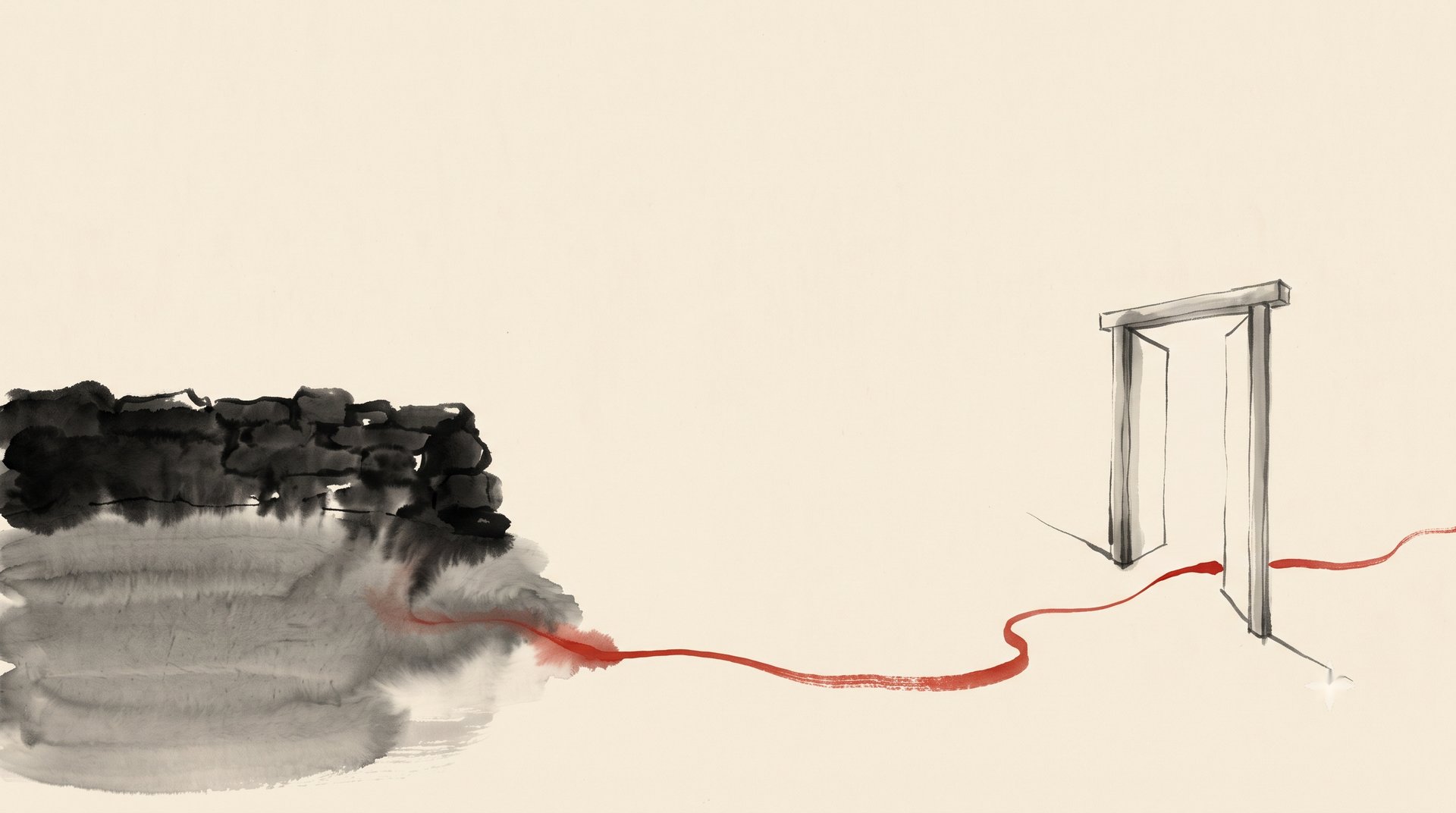
이음매: 두 손이 만나는 곳
The Seam: Where the Two Hands Meet
담과 문. 얼핏 모순이다.
The wall and the gate. At a glance, a contradiction.
하지만 두 손은 서로 남이 아니다. 한 지점에서 만난다.
But the two hands are not strangers. They meet at one point.
레버리지 크랙다운을 두고 올스프링 글로벌 인베스트먼트의 포트폴리오 매니저 게리 탄은 이렇게 봤다. 규제가 리테일 돈을 해외로 밀어낼 수 있다고. AI에 대한 낙관이 살아 있는 한, 투자자는 국내 규제가 닿지 않는 해외의 비슷한 레버리지 상품을 찾을 거라고.
Of the leveraged crackdown, Gary Tan, a portfolio manager at Allspring Global Investments, observed that the rules could push retail money offshore. As long as optimism for AI holds, investors will look overseas for similar leveraged products beyond the reach of domestic regulators.
그리고 원화 로드맵은 바로 그 해외로 가는 길을 깐다.
And the won roadmap paves exactly that road out.
그러니 두 정책은 이렇게 겹친다. 한 손이 국내 도박판을 좁히고, 다른 손이 그 돈이 빠져나갈 통로를 넓힌다. 카지노를 닫는 게 아닐 수 있다. 룰렛 테이블을 옮기는 것일 수 있다.
So the two policies overlap here: one hand narrows the domestic casino, the other widens the channel through which that money leaves. It may not be closing the casino. It may be moving the roulette table.
더 깊은 자리에서 보면, 두 손은 같은 전제 위에 서 있다. "한국을 프리미엄 투자처로." "선진 금융시장으로." 두 정책이 함께 사려는 함성이다. 담을 쌓는 손도, 문을 여는 손도, 이 함성 아래 움직인다.
Seen from deeper down, both hands stand on the same premise. "Korea as a premier investment destination." "As a developed financial market." That is the cry both policies try to buy. The hand that builds the wall and the hand that opens the gate both move beneath it.
그 함성의 값도 같은 주에 드러났다. 코스피는 세계 AI 투자의 심장이 됐다. 런던과 뉴욕과 도쿄의 펀드매니저가 아침마다 서울을 확인한다. 코스피와 나스닥100의 60일 상관계수는 0.46까지 올랐다. 2년 만의 최고치, 5년 평균 0.16의 세 배에 가깝다. 한국은 더 이상 변두리 신흥국이 아니다.
The cost of that premise showed itself in the same month. The Kospi became the heart of global AI investment. Fund managers in London, New York and Tokyo check Seoul each morning. The 60-day correlation between the Kospi and the Nasdaq 100 climbed to 0.46 — near a two-year high, close to triple its five-year average of 0.16. Korea is no longer a peripheral emerging market.
그런데 바로 그 심장이, 베이징 스타트업의 일요일 게시물 하나에 휘둘렸다. SK하이닉스의 미국 상장 주식은 9.3% 빠졌고, 다른 반도체 주식을 함께 끌어내렸다.
And that very heart was whipped by a single Sunday post from a Beijing startup. SK Hynix's US-listed shares fell 9.3%, dragging other chip stocks down.
영향력과 취약성은 같은 동전의 양면이었다. 세계의 중심에 서는 일과, 세계의 흔들림을 그대로 받는 일은 분리되지 않는다. 통화를 여는 일도 마찬가지다. 문을 넓히면 들어오는 것과 나가는 것을 함께 넓힌다. 국내에 담을 쌓는 손은, 자기가 불러들이기로 한 변동성을 뒤늦게 다스리려는 손이다.
Influence and vulnerability were two faces of the same coin. To stand at the center of the world is to take the world's tremors directly. The same holds for opening a currency. Widen the door, and you widen both what comes in and what goes out. The hand that builds the wall at home is a hand trying, belatedly, to govern the volatility it chose to invite.
잣대: 열고 닫는 문제가 아니다
The Measure: Not Whether to Open or Close
여기서 우리는 두 함성 중 어느 쪽도 사지 않는다. "코스피 5000, 프리미엄 투자처"라는 승리의 함성도 사지 않는다. "다 카지노다, 닫아라"라는 쇠퇴의 함성도 사지 않는다. 둘 다 판단을 대신 내려주는 구호다.
Here we buy neither cry. Not the victory cry of "Kospi 5000, a premier destination." Not the decline cry of "it's all a casino, shut it down." Both are slogans that decide for you.
우리가 보는 것은 구조다. 한국은 지금 국내 투기에 담을 쌓으면서 통화에 문을 연다. 그리고 두 움직임 모두, 흔들리는 판 한가운데로 걸어 들어가는 선택이다.
What we see is structure. Korea is walling in domestic speculation while opening its currency. And both moves are a choice to walk into the middle of a shaking board.
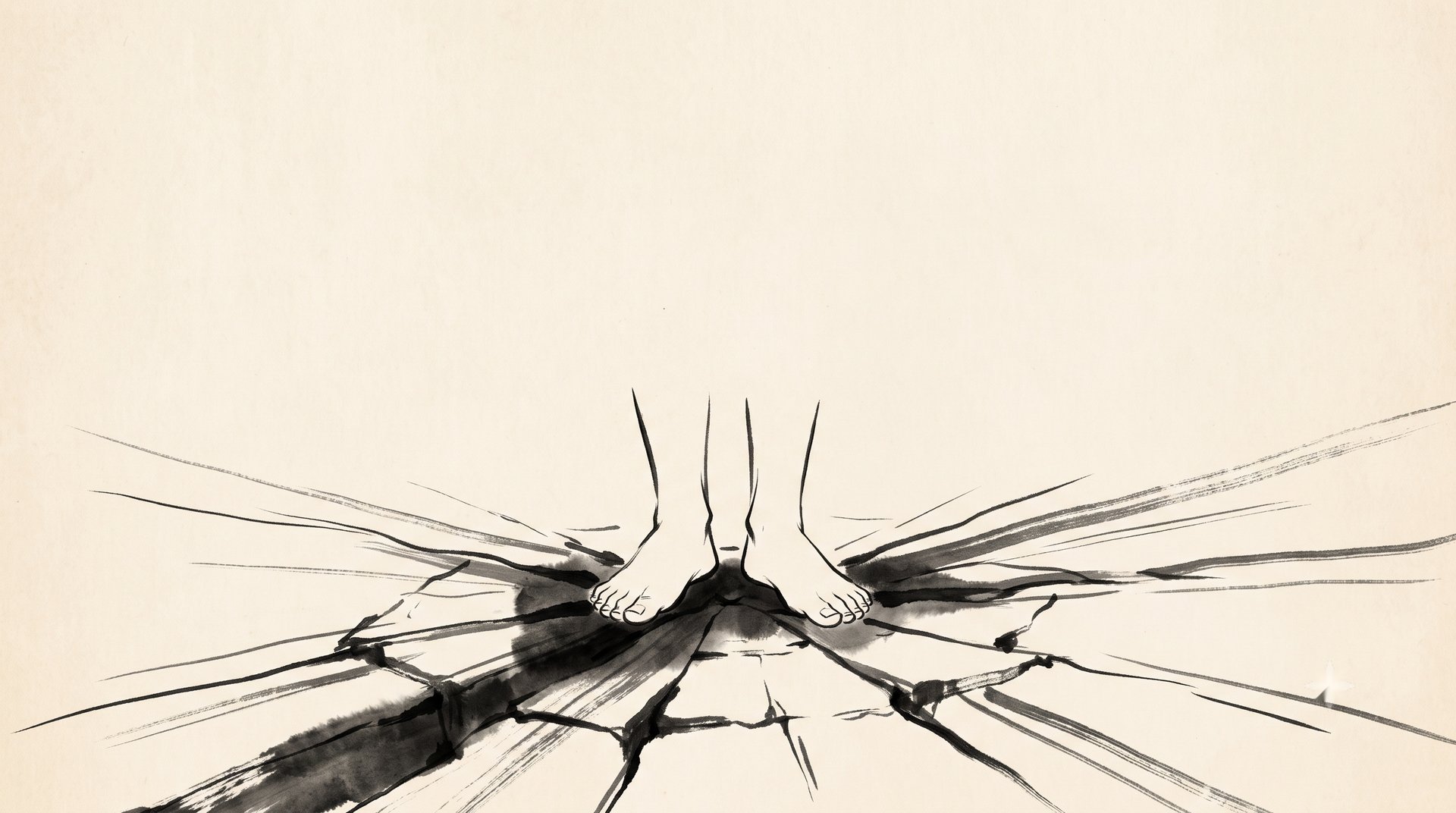
그렇다면 질문은 "열 것인가 닫을 것인가"가 아니다. 질문은 이것이다. 흔들리는 판 안에서, 도박판으로 떠밀린 사람이 자기 발로 설 기반을 세우는가.
Then the question is not "open or close." The question is this: inside the shaking board, does the person pushed toward the gambling floor build ground to stand on their own feet?
이건 처방이 아니다. 잣대다. 어떤 정책을 이 잣대에 대볼 수 있다. 최소 예탁금을 3천만 원으로 올리는 조치는 진입 문턱을 높인다. 하지만 문턱은 이미 들어온 사람이 서는 법을 길러주지 않는다. 통화의 문을 여는 로드맵은 자본을 부른다. 하지만 부른 자본의 흔들림 앞에서 개인이 어떻게 서느냐는 다른 문제다.
This is not a prescription. It is a measure. You can hold any policy to it. Raising the minimum deposit to 30 million won raises the threshold to enter. But a threshold does not teach those already inside how to stand. The roadmap opening the currency calls in capital. How an individual stands before the tremor of that capital is another matter.
담이든 문이든, 물음은 하나로 모인다. 이 손짓은 사람이 스스로 설 기반을 세우게 하는가. 아니면 룰렛 테이블의 위치만 바꾸는가. 두 손은 계속 반대로 움직일 것이다. 판단은 그 손을 보는 우리 몫이다.
Wall or gate, the question converges on one thing. Does this gesture help a person build ground to stand on? Or does it merely move the location of the roulette table? The two hands will keep moving in opposite directions. The judgment belongs to us, watching them.
주(註)Notes
본문 삽화 3점은 AI 이미지 생성 도구로 제작했으며, 실제 장면을 촬영한 사진이 아니다. 인포그래픽 4점은 아래 1차 자료를 근거로 자강헌이 작성했다.
The 3 illustrations were made with an AI image-generation tool; they are not photographs of real scenes. The 4 infographics were produced by Jagangheon from the primary sources below.
출처: 금융위원회 '단일종목 레버리지 상품 보완방안'(2026·7·16) · 기획재정부·한국은행 '원화 국제화 로드맵'(2026·7·19) · 한국거래소(KRX)·Refinitiv 지수·시가총액 · 한국갤럽 대통령 직무평가(2026·7·14–16, 2026·4·7–9) · Bloomberg. 시장 수치는 2026년 7월 20일 종가 기준이며, 이후 변동될 수 있다.
Sources: FSC "Measures on Single-Stock Leverage Products" (Jul 16, 2026) · MOEF & Bank of Korea "Won Internationalization Roadmap" (Jul 19, 2026) · Korea Exchange (KRX) & Refinitiv for index and market-cap figures · Gallup Korea presidential approval (Jul 14–16 and Apr 7–9, 2026) · Bloomberg. Market figures are as of the July 20, 2026 close and may change thereafter.
세계관: 능동적 중립 · 방법: Deep Context Inquiry. 이 글은 처방이 아니라 잣대를 제시한다.
Worldview: Active Neutrality · Method: Deep Context Inquiry. This piece offers a measure, not a prescription.