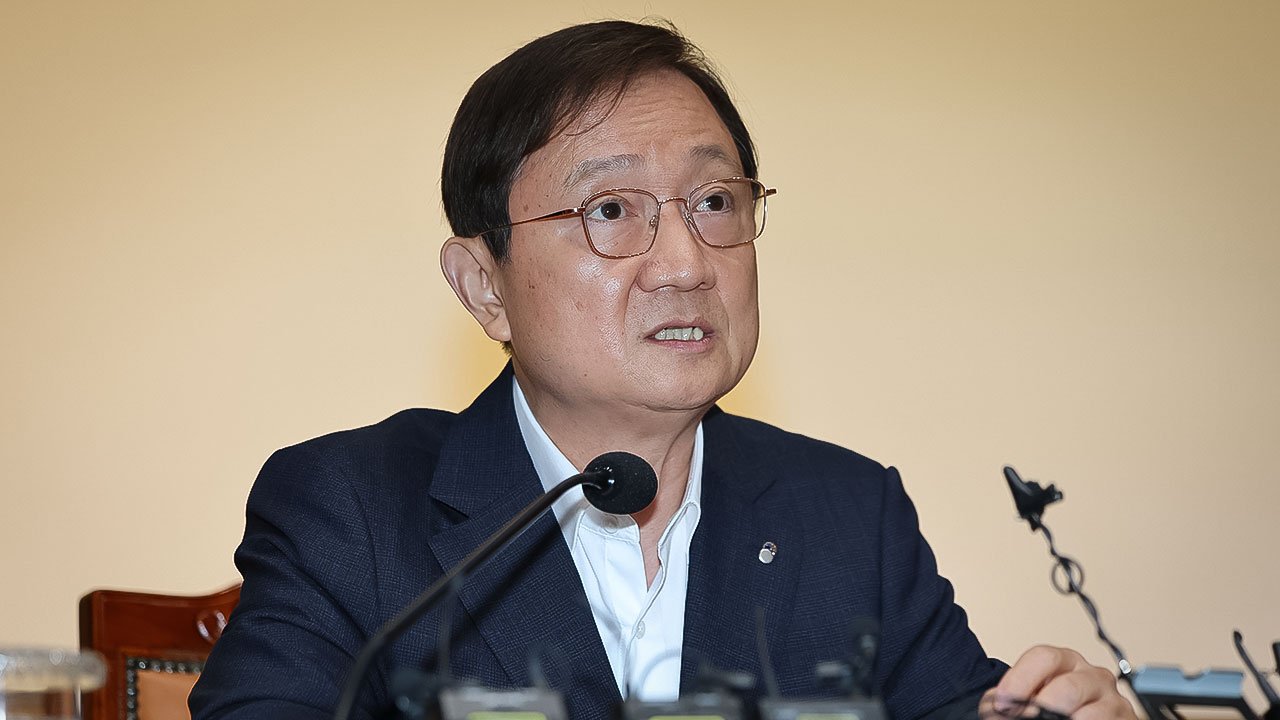
2026년 6월 22일, 한국의 금융감독원장이 한 문장으로 한 편의 글을 요약했습니다. 우리가 「알고리즘 포식자들」에서 일곱 개 장에 걸쳐 해부했던 그 기계를, 그는 정례 기자간담회에서 단 한 줄로 정의했습니다. "플레이어는 실익이 없고, 관리·운영하는 시스템만 이익을 본다."
On June 22, 2026, the head of Korea's Financial Supervisory Service summarized an entire essay in a single sentence. The machine we spent seven chapters dissecting in 'The Algorithmic Predators,' he defined in one line at a routine press briefing: "The players gain nothing real; only the system that manages and operates them profits."
추출 기계 · 자강헌 인문과학연구원 해설The Extraction Machine · Jagangheon Institute
한 문장 안의 기계
The Machine in One Sentence
그 문장은 비유가 아닙니다. 정의(定義)입니다. 「알고리즘 포식자들」의 모든 장은 하나의 결론으로 향했습니다. 공개시장이 가격을 발견하는 장(場)이 아니라는 것. 인간 참여자로부터 시스템으로 부(富)를 옮기는 추출 기계가 되었다는 명제입니다. 이찬진 금융감독원장은 그 명제를 군더더기 없이 한국어로 옮겨놓았습니다. 다음 날 거의 모든 경제지가 같은 문장을 머리기사에 걸었습니다.
That sentence is not a metaphor. It is a definition. Every chapter of 'The Algorithmic Predators' was reaching toward one conclusion. Public markets have ceased to be venues of price discovery. They have become extraction machines that move wealth from human participants to the system. Governor Lee Chan-jin rendered that conclusion into plain Korean, without ornament. The next day, nearly every business daily ran the same line as its headline.
원본 글은 인도를 무대로 삼았습니다. 뭄바이의 젊은이가 스마트폰으로 '매수'를 누르는 순간, 그 거래는 이미 알고리즘의 먹이가 되어 있었습니다. 우리는 그것을 '역사상 가장 정교한 부의 추출 기계'라 불렀습니다. 그리고 인도를 한국의 타산지석이라 적었습니다. 남의 산에서 캔 거친 돌이라도 내 옥(玉)을 가는 숫돌로는 쓸 수 있다는 뜻입니다. 그로부터 두 달이 채 지나지 않았습니다. 한국의 감독당국 수장이 같은 기계를 자국 시장에서 발견했습니다.
The original essay used India as its stage. The moment a young person in Mumbai taps 'Buy' on a smartphone, the trade is already prey to the algorithm. We called it 'the most sophisticated wealth-extraction machine in history.' And we named India a 타산지석 for Korea: a rough stone quarried from another's mountain can still serve as a whetstone for one's own jade. Less than two months later, the head of Korea's own regulator found the same machine operating in his domestic market.
「알고리즘 포식자들」 전문 읽기 → Read 'The Algorithmic Predators' in full →한국판 명세서
The Korean Invoice
그가 제시한 숫자는 인도 사례를 그대로 한국어로 옮긴 명세서처럼 읽힙니다. 2026년 5월 27일, 여덟 개 운용사가 ETF 열여섯 종을 한꺼번에 상장했습니다. 삼성전자·SK하이닉스의 일일 수익률을 ±2배로 추종하는 단일종목 레버리지·인버스 상품입니다. 상장 당시 시가총액은 4조 원이었습니다. 그것이 한 달이 채 안 되어 14조 원을 넘어 15조 원대로 불었습니다. 누적 거래대금은 156조 원에 이릅니다. 그중 92%를 개인투자자가 들고 있습니다.
His figures read like the Indian case re-issued as a Korean invoice. On May 27, 2026, eight asset managers simultaneously listed sixteen single-stock leveraged and inverse ETFs. They track ±2× the daily return of Samsung Electronics and SK Hynix. At listing, their market cap was ₩4 trillion. In under a month it swelled past ₩14 trillion, into the ₩15 trillion range. Cumulative turnover reached ₩156 trillion. Of that, 92% is held by retail investors.
문제는 속도입니다. 이 상품의 하루 평균 매매 회전율은 130% 안팎입니다. 한때 200%까지 치솟았습니다. 상장된 물량 전체가 하루에 두 번 이상 손바뀜한다는 뜻입니다. 일반 레버리지 ETF의 약 네 배입니다. 원장은 이를 "꼬리가 몸통을 흔드는" 회전매매라 불렀습니다. 그 회전율을 수수료로 환산하면, 투자자가 부담한 매매수수료만 5조~10조 원입니다. 한 보도는 투자자가 상품 시가총액의 40~70%를 수수료로 내는 셈이라고 추산했습니다.
The problem is velocity. The product's average daily turnover runs around 130%. It once spiked to 200%. That means the entire listed float changes hands more than twice a day — roughly four times the rate of an ordinary leveraged ETF. The Governor called it churn in which "the tail wags the dog." Converted into fees, that turnover means investors paid ₩5–10 trillion in trading commissions alone. One report estimated investors were effectively paying 40–70% of the product's market cap in fees.
손실은 이미 현실입니다. 6월 초 삼성전자가 약 18%, SK하이닉스가 약 19% 하락했습니다. 그동안 그 레버리지 상품은 36~38% 폭락했습니다. 이론상으로는 더 가혹합니다. 가격제한폭(±30%)의 두 배이니, 하루 만에 -60%도 가능합니다. 금융감독원은 6월 18일 소비자 경보를 발령했습니다. 그래도 과열은 진정되지 않았습니다. 같은 기간 '빚투'의 척도인 신용거래융자 잔액은 38조 원을 넘었습니다. 역대 최고치입니다.
The losses are already real. In early June, Samsung fell about 18% and SK Hynix about 19%. The leveraged products plunged 36–38%. In theory, at twice the ±30% daily price limit, −60% is possible in a single day. The FSS issued a consumer alert on June 18. The overheating did not subside. Over the same stretch, margin-loan balances — the gauge of debt-fueled buying — pushed past ₩38 trillion, a record high.
"도박판에서 '뽀찌' 뜯는 사람이 제일 돈을 많이 벌지 않느냐. 증권사 배불리는 결과만 초래하는 부분이 있다."
원본 글이 '스마트폰 카지노'라 부른 것의 한국판 청구서입니다. 그리고 그 청구서를 받아 든 투자자 대부분은 중산층과 서민입니다.
"Isn't it the one skimming the 'cut' at a gambling table who makes the most money? This only ends up fattening the brokerages."
It is the Korean bill for what the original essay called the 'smartphone casino.' And most who receive that bill are middle-class and ordinary working people.
같은 두 이름
The Same Two Names
그 ETF가 묶고 있는 종목을 보십시오. 삼성전자와 SK하이닉스. 「알고리즘 포식자들」 제5장에서, 우리는 이미 그 두 이름을 적은 바 있습니다.
Look at which stocks those ETFs are wrapped around. Samsung Electronics and SK Hynix. In Chapter 5 of 'The Algorithmic Predators,' we had already written those two names down.
2026년 2월 말, 이란전쟁이 호르무즈를 봉쇄했습니다. 유가는 30~40% 치솟았고, IMF는 성장률을 끌어내렸습니다. 그런데 한국 증시는 도리어 사상 최고치로 솟구쳤습니다. KOSPI는 3월 4일 단일일 12% 폭락했습니다. 그리고 한 달 만에 약 31% 반등했습니다. 그 상승의 두 기관차가 바로 SK하이닉스(+60%)와 삼성전자(+35%)였습니다. 우리는 그것을 동시대적 증거라 적었습니다. 시장이 펀더멘털이 아니라 수학적·알고리즘적 관계로 움직인다는 증거입니다.
In late February 2026, the Iran war blockaded Hormuz. Oil spiked 30–40%, and the IMF cut its growth forecast. Yet Korea's market did the opposite: it surged to record highs. After a single-day 12% crash on March 4, the KOSPI rebounded roughly 31% within a month. The two locomotives of that rally were SK Hynix (+60%) and Samsung Electronics (+35%). We called it contemporaneous proof of a market moving on mathematical and algorithmic relationships rather than fundamentals.
이제 그림이 한 바퀴를 돌아 닫힙니다. 전쟁에도 불구하고, 펀더멘털과 무관하게 솟아오른 두 종목의 상승. 그 상승이 일일 수익률을 두 배로 증폭하는 장치에 묶였습니다. 그리고 개인의 안방으로 되돌아왔습니다. 추출 기계는 종목을 가리지 않습니다. 가장 뜨거운 종목을 가장 효율적으로 사용할 뿐입니다. 상승을 만든 알고리즘, 그리고 그 상승에 두 배로 올라탄 개인. 같은 두 이름이 그 둘을 잇고 있습니다.
Now the circle closes. The rise of those two stocks was decoupled from fundamentals, climbing through war. That same rise has been wrapped in a device that doubles their daily return. And it has been routed back into the household. The extraction machine is indifferent to which ticker it uses; it simply uses the hottest one most efficiently. The same two names connect the algorithms that manufactured the rally to the retail investors who climbed onto it at double leverage.
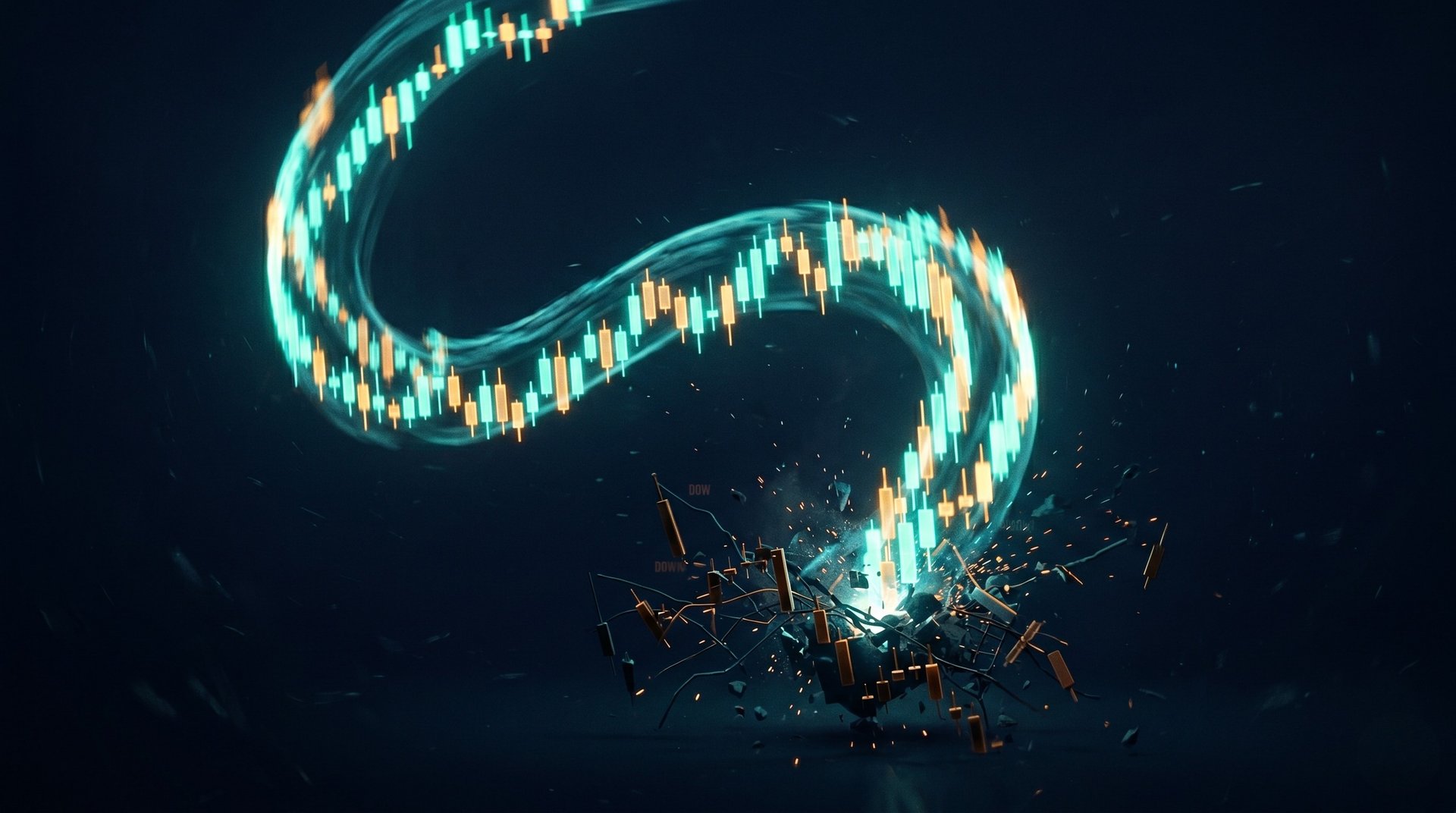
누가 액셀을 밟았나 — 금융위라는 가속장치
Who Pressed the Accelerator — The FSC
그렇다면 이 기계는 누가 지었는가. 추출 기계는 저절로 생기지 않습니다. 단일종목 레버리지 ETF는 이억원 위원장이 이끄는 금융위원회가 만들었습니다. 2026년 1월 자본시장법 시행령을 고쳐 빗장을 풀었습니다. 자산운용사와 증권사가 수년간 요구해온 끝의 일이었습니다.
So who built this machine? Extraction machines do not arise on their own. The single-stock leveraged ETF came into being when the Financial Services Commission, under Chairman Lee Eok-won, amended the Capital Markets Act enforcement decree in January 2026 to unlock the gate. It came after years of pressure from asset managers and brokerages.
명분은 그럴듯했습니다. 그동안 '종목당 운용한도 30%'라는 분산투자 요건이 있었습니다. 그 때문에 국내에선 단일종목 ETF를 만들 수 없었습니다. 반면 미국과 홍콩에는 이미 상장돼 있었습니다. 테슬라·엔비디아 2배 상품을 사려는 개인 자금이 해외로 빠져나갔습니다. 지난해 연말 고환율 국면에서, 그 유출은 환율 변동성을 키웠습니다. 금융위의 계산은 이랬습니다. 서학개미의 투기 수요를 국내 우량주로 돌려, 자금 유출을 막고 환율을 방어한다. 업계의 동인은 더 단순했습니다. 회전율이 곧 수수료인 상품, 가만히 앉아 수조 원을 거두는 황금알이었습니다.
The rationale was plausible. A "30% per-name concentration limit" had long made single-stock ETFs impossible to build domestically. Meanwhile the US and Hong Kong already listed them. So retail money chasing 2× Tesla or Nvidia products flowed abroad. In late 2025's high-exchange-rate climate, that outflow magnified currency volatility. The FSC reasoned it could redirect speculative demand into domestic blue chips, stemming the outflow and defending the won. The industry had a simpler motive: a product where turnover is fee income, a golden goose earning trillions while sitting still.
결과는 어떤가. 원장 스스로 "그때 좀 급하게 준비했던 것은 맞다"고 인정했습니다. 환율 안정 효과는 "크지 않았던 반면 부작용은 너무 커졌다"고도 했습니다. 자금 유턴도, 환율 방어도 사실상 실패했습니다. 남은 것은 아이러니뿐입니다. 국내 증시의 변동성을 단일종목 레버리지가 거꾸로 끌고 가는 형국입니다. 선의의 규제 완화가 의도치 않게 투기의 물꼬를 텄습니다. 원본 글이 인도 SEBI를 두고 쓴 문장 그대로입니다.
And the result? The Governor himself admitted "it was prepared in a rush." The currency-stabilization effect, he said, was "small, while the side effects grew too large." Both the capital return and the currency defense effectively failed. What remains is an irony: single-stock leverage now drags domestic-market volatility behind it. A well-intentioned deregulation inadvertently opened the floodgates to speculation. It is precisely the sentence the original essay wrote about India's SEBI.
브레이크는 왜 늦었나 — 금감원의 자백
Why the Brake Was Late — The FSS Confession
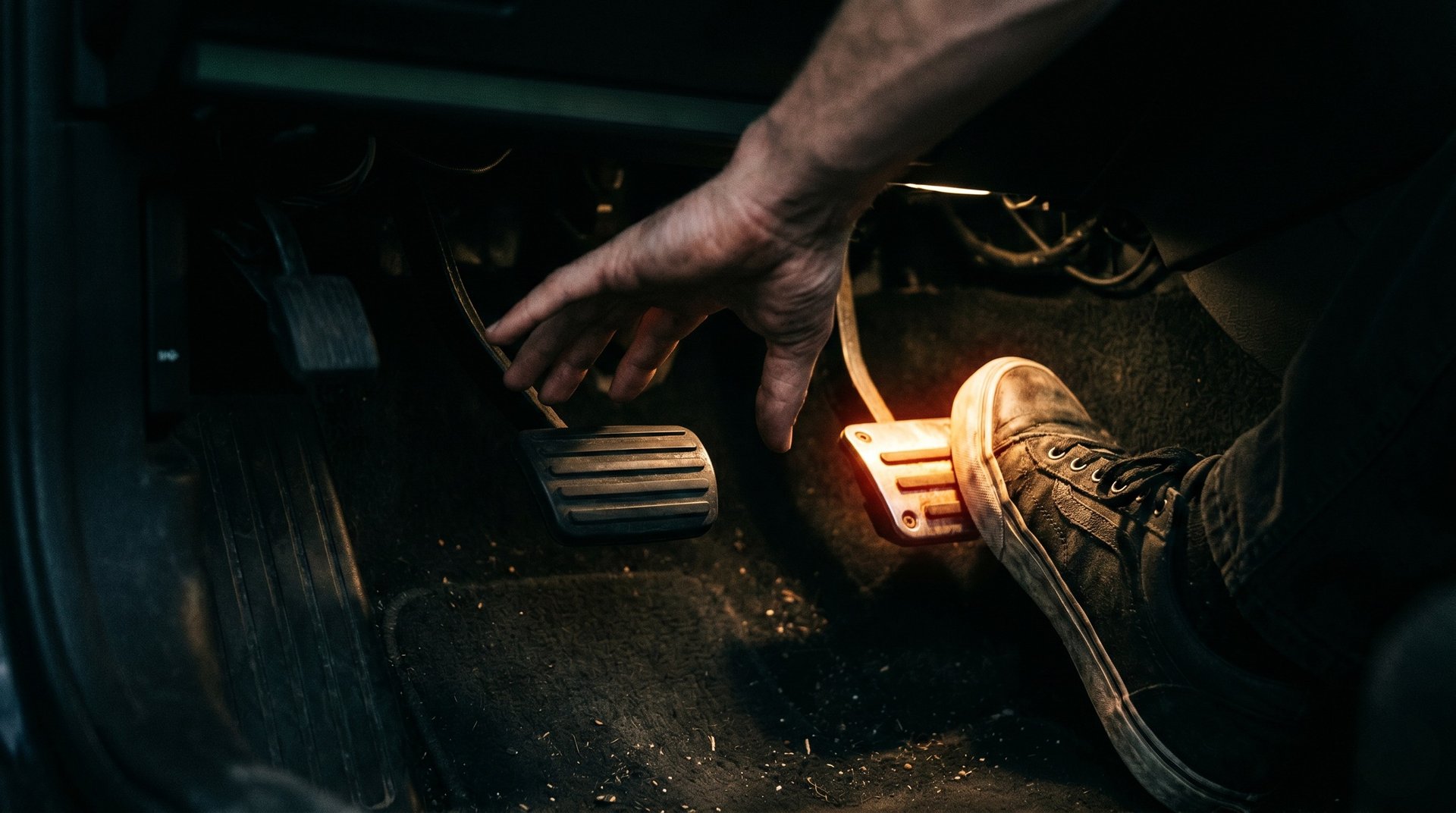
한국 금융감독 체계에는 두 개의 페달이 있습니다. 제도를 기획하고 허가하는 금융위원회가 액셀이라면, 시장의 건전성을 감시하고 위험을 제어하는 금융감독원은 브레이크입니다. 이번에는 브레이크가 제때 밟히지 않았습니다.
Korea's financial-supervision system has two pedals. The Financial Services Commission, which designs and authorizes, is the accelerator. The Financial Supervisory Service, which monitors market soundness and controls risk, is the brake. This time, the brake was not pressed in time.
원장은 그 사정을 솔직하게 털어놓았습니다. 증권신고서가 수리된 상태에서는 막을 현실적 방안이 없었다는 것입니다. 그는 출시 자체를 처음부터 의심했습니다. 하지만 신고서가 접수되어 처리되는 절차의 관성 안에서, 제동 장치는 작동하지 않았습니다. 그리고 그는 한 문장을 덧붙였습니다.
The Governor was candid about why. Once the securities registration had been accepted, he said, there was no realistic way to stop it. He had doubted the launch from the very start. But within the momentum of a filing already received and processed, the braking mechanism never engaged. And then he added one line.
"어떻게든 드러누워서라도 막았어야 했나, 개인적으로 반성하고 있다."
"I keep reflecting on whether I should somehow have lain down in front of it to stop it."
— 이찬진 금융감독원장, 2026.6.22 정례 기자간담회— FSS Governor Lee Chan-jin, regular press briefing, June 22, 2026
이 회한은 하나의 명제를 자백합니다. 원본 글이 반복해 지적한 명제 — 규제는 언제나 기계보다 늦다 — 입니다. 인도의 SEBI는 개인 손실이 급증한 뒤에야 증거금을 올렸습니다. 한국의 감독당국도 다르지 않았습니다. 잔액이 15조 원에 이르고 -37%가 찍힌 뒤에야, 비로소 대책을 검토하기 시작했습니다. 신규 상장 금지, 총량 규제, 미수에서 신용까지의 단계별 안전장치입니다. 기계는 먼저 움직입니다. 규제는 피해를 센 다음에야 따라옵니다. '드러누워서라도'라는 격한 표현이 그것을 증명합니다. 브레이크를 쥔 사람 자신이 그 시차(時差)를 누구보다 뼈아프게 안다는 증거입니다.
That remorse confesses a proposition the original essay states again and again: regulation always arrives later than the machine. India's SEBI raised margins only after retail losses surged. Korea's regulator did the same. Only after the balance reached ₩15 trillion and −37% had been printed did it begin weighing a ban on new listings, volume caps, and step-by-step safeguards from unpaid balances to credit margin. The machine moves first; regulation follows only after counting the casualties. The violence of "lain down in front of it" is itself evidence. The one holding the brake knows, more painfully than anyone, the lag he is trapped in.
타산지석에서 거울로
From Another Mountain to the Mirror
우리는 「알고리즘 포식자들」의 첫머리에서 인도를 한국의 타산지석이라 불렀습니다. 남의 산에서 캔 거친 돌이라도 내 옥을 가는 숫돌로는 쓸 수 있습니다. 인도의 실패에서 한국이 배울 수 있다는 뜻이었습니다.
At the opening of 'The Algorithmic Predators,' we called India a 타산지석 for Korea. Even a rough stone quarried from another's mountain can serve as a whetstone for one's own jade. It meant Korea could learn from India's failure.
이제 그 거울은 더 이상 남의 산이 아닙니다. 금융당국의 수장이 직접, 한국어로, 같은 기계를 묘사했습니다. 92%의 개인, -37%의 손실, 증권사만 배불리는 구조. 액셀을 너무 빨리 밟은 금융위, 그리고 브레이크를 제때 밟지 못한 금감원의 회한. 다른 산에서 가져온 돌이 아닙니다. 우리 발밑의 지반입니다. 타산지석은 한국의 거울이 되었습니다. 거울 속의 얼굴은 우리 자신입니다.
The mirror is no longer someone else's mountain. The head of the financial regulator has now, in Korean, described the same machine: 92% retail, −37% losses, a structure that fattens only the brokerages, an FSC that pressed the accelerator too fast, and an FSS too late on the brake. This is not a stone brought from another mountain. It is the ground beneath our own feet. The stone from another mountain has become Korea's mirror. And the face in the mirror is our own.
어떻게 설 것인가 — 능동적 중립
How to Stand — Active Neutrality
그렇다면 어떻게 설 것인가. 원본 글의 마지막 증인은 워런 버핏이었습니다. 그는 사상 최대 현금 3,974억 달러를 들고 침묵으로 답했습니다. 침묵하되 멈추지 않고, 행동하지 않되 준비를 멈추지 않는 자세. 그것이 능동적 중립입니다.
How, then, should one stand? Warren Buffett, the final witness in the original essay, answered with silence. He held a record $397.4 billion in cash: silent but never stopped, not acting yet never ceasing to prepare. That is Active Neutrality.
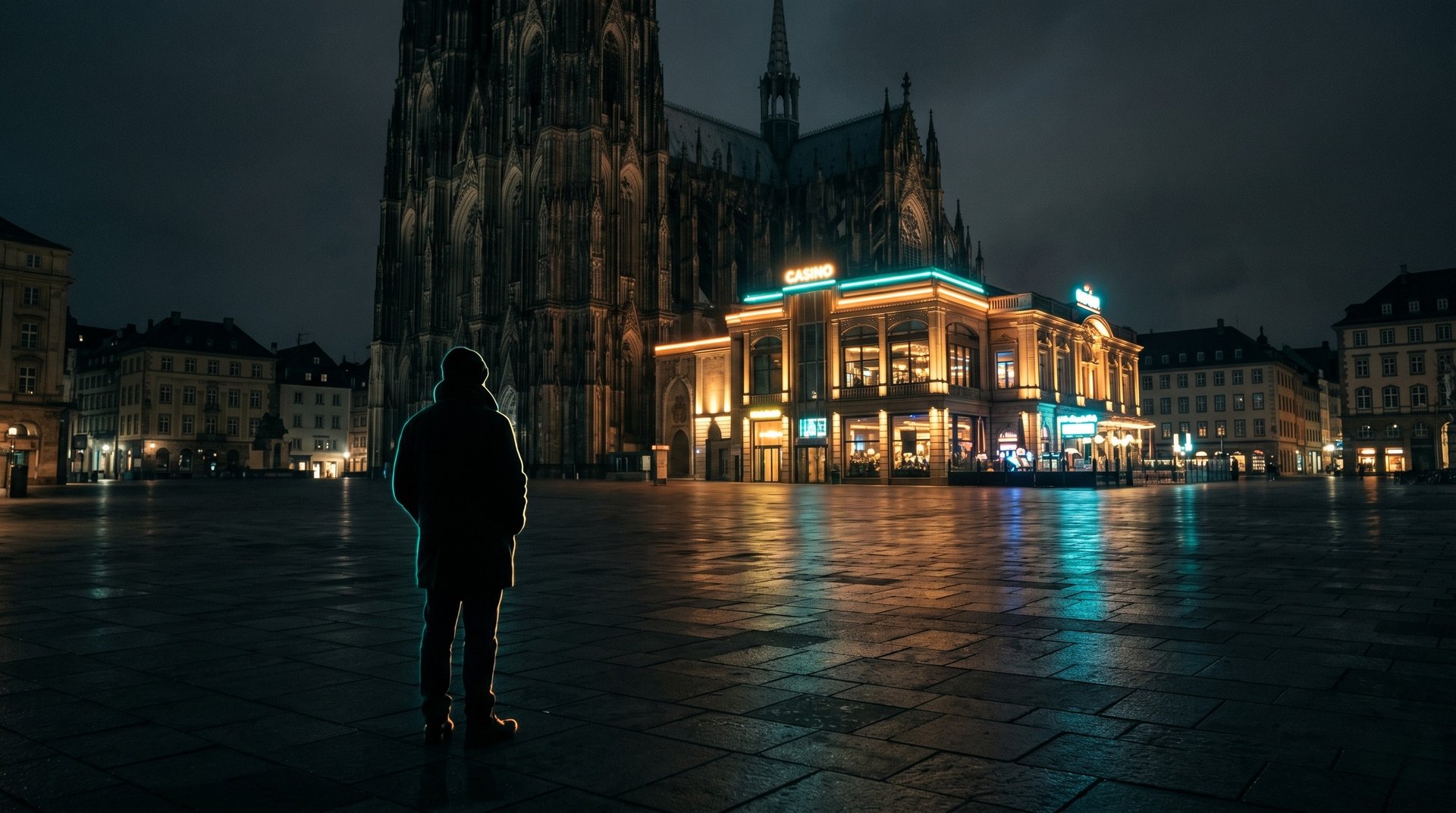
추출 기계 앞에서 능동적 중립은 도박장을 외면하는 것이 아닙니다. 그 작동 원리를 끝까지 응시하는 것입니다. 15조 원이 어디서 와서 어디로 가는지. 누가 액셀을 밟고 누가 브레이크를 놓쳤는지. 92%의 손실이 누구의 이익이 되는지. 그리고 '막았어야 했다'는 후회가 다음번에는 '막았다'는 기록이 되도록. 지적 교만을 내려놓고, 잠시 호흡을 멈춘 채 구조를 들여다보는 일입니다. 금감원장의 한 문장은 경고였습니다. 그 경고를 숫돌 삼아 우리 자신을 가는 것. 그것이 이 글을 다시 쓰는 이유입니다.
Before the extraction machine, Active Neutrality does not mean averting one's eyes from the casino. It means watching how the casino works, all the way down. Where does the ₩15 trillion come from, and where does it go? Who pressed the accelerator, and who missed the brake? Whose profit do the losses of the 92% become? And how might the regret of 'I should have stopped it' next time become the record of 'I did'? It means setting down intellectual arrogance, pausing one's breath, and looking into the structure. The Governor's single sentence was a warning. To take that warning as a whetstone and grind ourselves against it — that is why this essay is written anew.
출처Sources
이찬진 금융감독원장의 정례 기자간담회 발언(2026.6.22)은 다수 매체 보도로 교차 확인했습니다. 헤럴드경제·서울경제·경향신문·한국일보·한겨레·파이낸셜뉴스·MBC 등입니다. 단일종목 레버리지 ETF 제도(±2배, 8개 운용사 16종, 2026.5.27 상장)는 금융위원회의 자본시장법 시행령 개정(2026.1 입법예고)에 근거합니다. 본 분석은 자강헌 인문과학연구원의 독립적 견해입니다.FSS Governor Lee Chan-jin's remarks at a regular press briefing (June 22, 2026) were cross-verified across multiple outlets (Herald, Seoul Economic Daily, Kyunghyang, Hankook Ilbo, Hankyoreh, FN News, MBC). The single-stock leveraged ETF regime (±2×, 16 products from 8 managers, listed May 27, 2026) rests on the FSC's amendment of the Capital Markets Act enforcement decree (legislative notice, January 2026). This analysis represents the independent views of the Jagangheon Institute.